Lovebug Season in Houston: How to Protect Your Paint in May and September
Lovebugs fly over Houston every May and September, and their acidic remains can etch clear coat in the Texas sun. Here is how to remove them safely, how often to wash during a flight, and what protection actually helps.
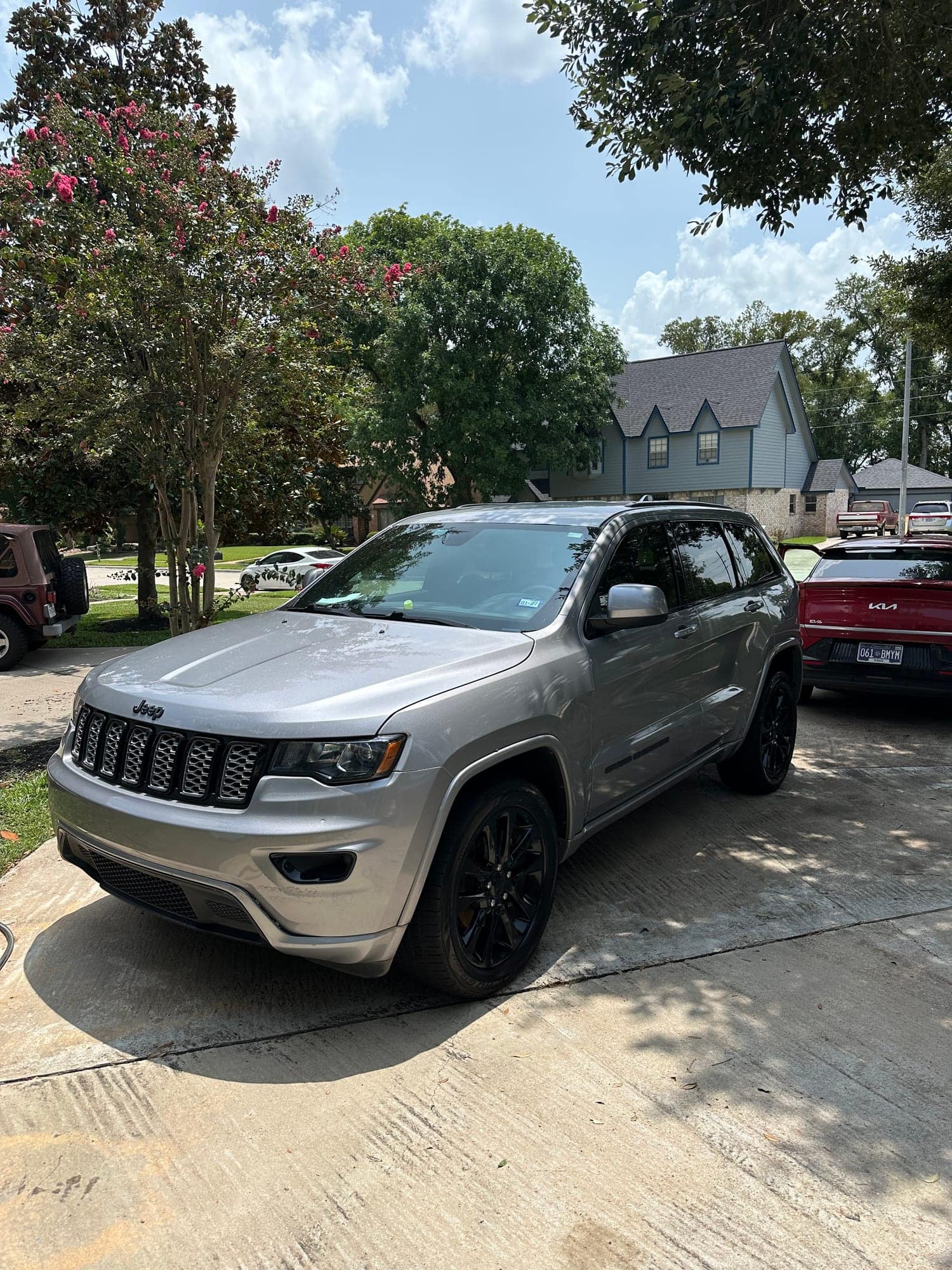
Lovebugs fly over the Houston area twice a year, in May and again in September, and their remains are acidic enough to etch clear coat if they bake on in the sun. Remove them within a day, soften them before you touch them, and put a protective layer on the paint before the next flight. The rest of this guide explains each step for drivers in Richmond, Katy, Sugar Land, and Houston.
Why Lovebugs Damage Paint in Houston
A lovebug splatter is not ordinary dirt. The remains are acidic, and on a hot panel under Texas sun they dry into a crust that grips the clear coat. Leave that crust for days and it can etch a dull, rough spot that no wash will remove. At that point the fix is machine polishing, and paint correction starts at $349 for a sedan.
Highway commuters take the most hits. At speed on I-10, the Grand Parkway, or US-59, lovebugs flatten across the bumper, hood, mirrors, and windshield. Cars parked outside during a flight collect a second layer at home.
How to Remove Lovebugs Without Scratching the Paint
- Rinse the front end to knock off loose bodies.
- Soak the splatter with a dedicated bug remover or warm soapy water for a few minutes.
- Lift the softened remains with a soft, clean microfiber, one pass at a time.
- Wash the panel with a pH-neutral shampoo and dry it.
- Never scrub dried bugs, and keep abrasive pads and kitchen sponges off the paint.
Timing matters more than the product you use. Within a day, most remains lift with a soak and a microfiber. After a few days of September heat, you are fighting a baked-on crust, and scrubbing it is how swirls start.
Lovebug Season for Katy and Sugar Land Commuters
During a flight, plan on cleaning the front end every day or two that you drive the highway. A rinse and soak at home is enough if you keep up with it. If you would rather hand it off, exterior detailing starts at $119 for a sedan, and every exterior tier removes bugs and tree sap as part of the wash. The Exterior Premium at $179 adds clay bar decontamination and a 6-month paint sealant, which gives the next splatter less to grip. We come to your driveway with our own water and power.
Does Ceramic Coating Help With Lovebugs in Houston?
Yes, as a release layer, not a shield. A ceramic coating leaves the paint slick and chemical resistant, so remains let go with a soak instead of a scrub, and the acid meets a sacrificial layer before it reaches the clear coat. It does not make paint etch-proof, so prompt removal still matters on a coated car.
Coatings start at $749 for our 3-Year tier, and we apply them at your home in Richmond, Katy, Sugar Land, and Houston. The lighter option is the ceramic spray sealant, a $60 add-on that lasts four to six months, roughly the gap between the May and September flights.
A Lovebug Season Checklist for Richmond Drivers
- •Before May and September, get protection on the paint: a sealant, a spray sealant, or a coating.
- •During a flight, rinse and soak the front end every day or two.
- •Keep a bug remover and a stack of clean microfibers in the garage.
- •Clean the windshield and headlights too, because dried bugs scatter light at night.
- •After the flight, wash the car and inspect the bumper and hood in sunlight. Dull spots that survive a wash need polishing.
Want protection on before the next flight? See your price on the booking page, or call or text (281) 584-3896. We reply within the hour during business hours (7am to 7pm).
Frequently asked questions
Lovebugs fly twice a year in the Houston area, once in May and again in September. Cars that travel highways or park outside during a flight collect the most splatter.
Yes, if they sit. The remains are acidic, and heat speeds up the damage. Removed within a day, they usually wash off clean. Left for days in the sun, they can etch the clear coat and leave dull spots that need machine polishing.
Soak the front end with a bug remover or warm soapy water for a few minutes, then lift the remains with a soft microfiber. Never scrub them dry. Finish with a pH-neutral wash and a dry towel.
It makes them much easier to remove, and it adds a sacrificial layer between the acid and the clear coat. It does not make paint etch-proof, so remove them promptly. Fresh Path coatings start at $749 for a sedan.
Every Fresh Path exterior tier removes bugs and tree sap as part of the wash. Exterior Detailing starts at $119 for a sedan. Exterior washes add $30 and $60.
Ready to book your detail?
Serving Richmond, Katy, Sugar Land, Pecan Grove, and all of Greater Houston.
Found this useful? See more Fresh Path guides in your Google results.
Make us a preferred source on Google
